Health and HIV/AIDS
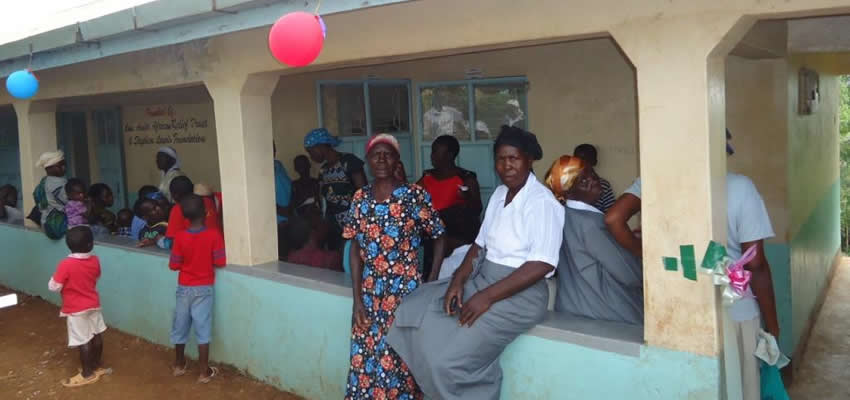
Generally, the level of awareness about key hygiene and sanitation practices is low in the community. There is the grave danger of pollution posed to both surface and ground water sources as a result of this poor human waste disposal. Deaths occurred in villages where labour turns deadly causing deaths of both mother and child. Due to the distance of the health facilties available children under 5 years around the communmity do not access immunization in time or some are not immunized at all while others may default due to the long distances. Local awareness-levels surrounding HIV/AIDS are at 87.6%, which is relatively low compared to the national awareness level of 99%.
Read More
Education
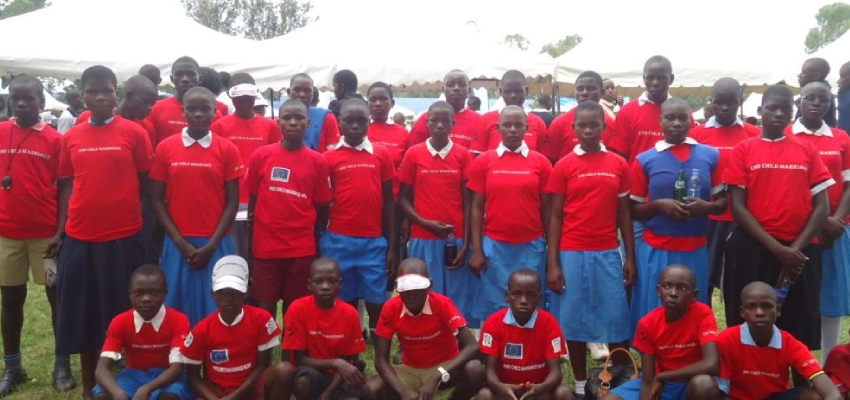
Many children who lose their parent(s) withdraw from school because they struggle to afford school fees and uniforms. Older- particularly girl-children may be forced to drop out of school to take over domestic responsibilities, including looking after their siblings.Hundreds stop going to school to work long hours, often under hazardous conditions. Others experience violence or abuse from parents, guardians or fellow students, or find their schools targets of armed attack. Families do not send girls to school, force them out of school to marry or girls are denied an education when they become pregnant. Many are kept from getting a secondary education and tertiary because they cannot afford school fees.
Read More
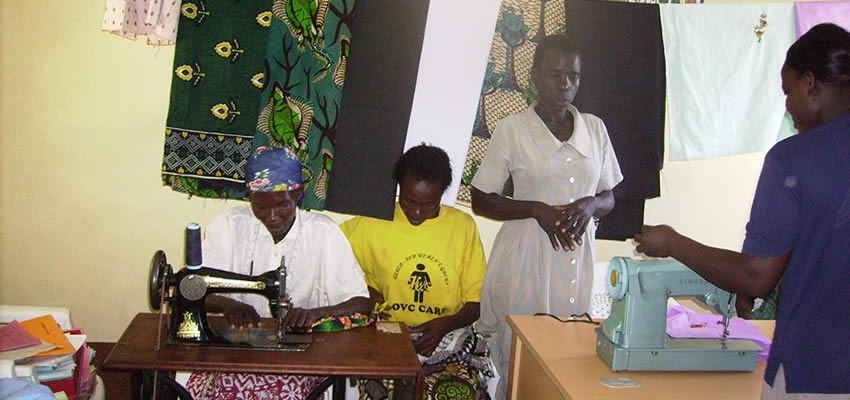
Gender and Advocacy
Child protection and women’s Right • Children are faced with lots of challenges ranging from rape, child prostitution, overwhelming domestic chores, sexual, HIV infections and drug abuse, denial of leisure time and harmful traditional practices. • Lack of child rights awareness in the community. The girls drop out of school due to negative traditional culture, early marriages, early pregnancies, and discrimination. There is poor attitude by parents and guardians towards girl child education. • On tobacco farms, children work long hours in extreme heat, exposed to nicotine and toxic pesticides that can make them sick. In Migori, child laborers in artisanal and small-scale gold mines work underground in pits.
Read More
Livelihoods & Environment
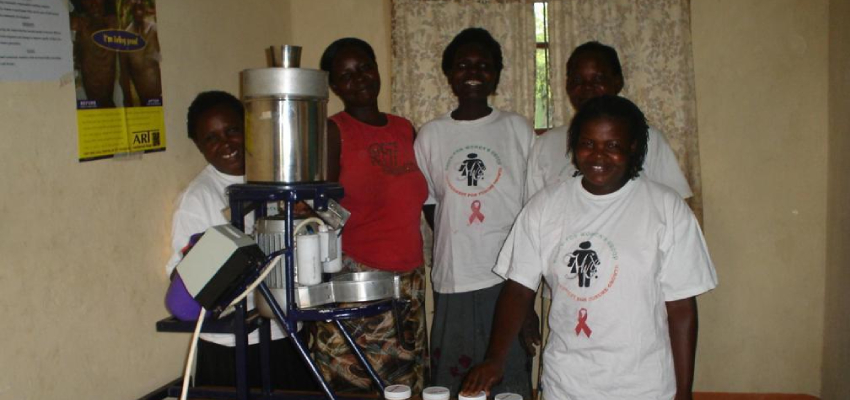
Food insecurity in the project area is related most often to the following factors: Harsh climatic conditions particularly flooding, insufficient rainfall and frequent and prolonged drought. Prevalence of crop and animal pests Unreliable livestock production as a result of pests and diseases Limited knowledge of sound agronomic practices (e.g farmers continue using low yielding crop varieties, which also tend to be susceptible to diseases and pests). Limited intra–household sharing. Degradation of environmental and natural resources Limited knowledge in food utilization and diversification Poor marketing strategies and limited access to market outlets Most women ..
Read More